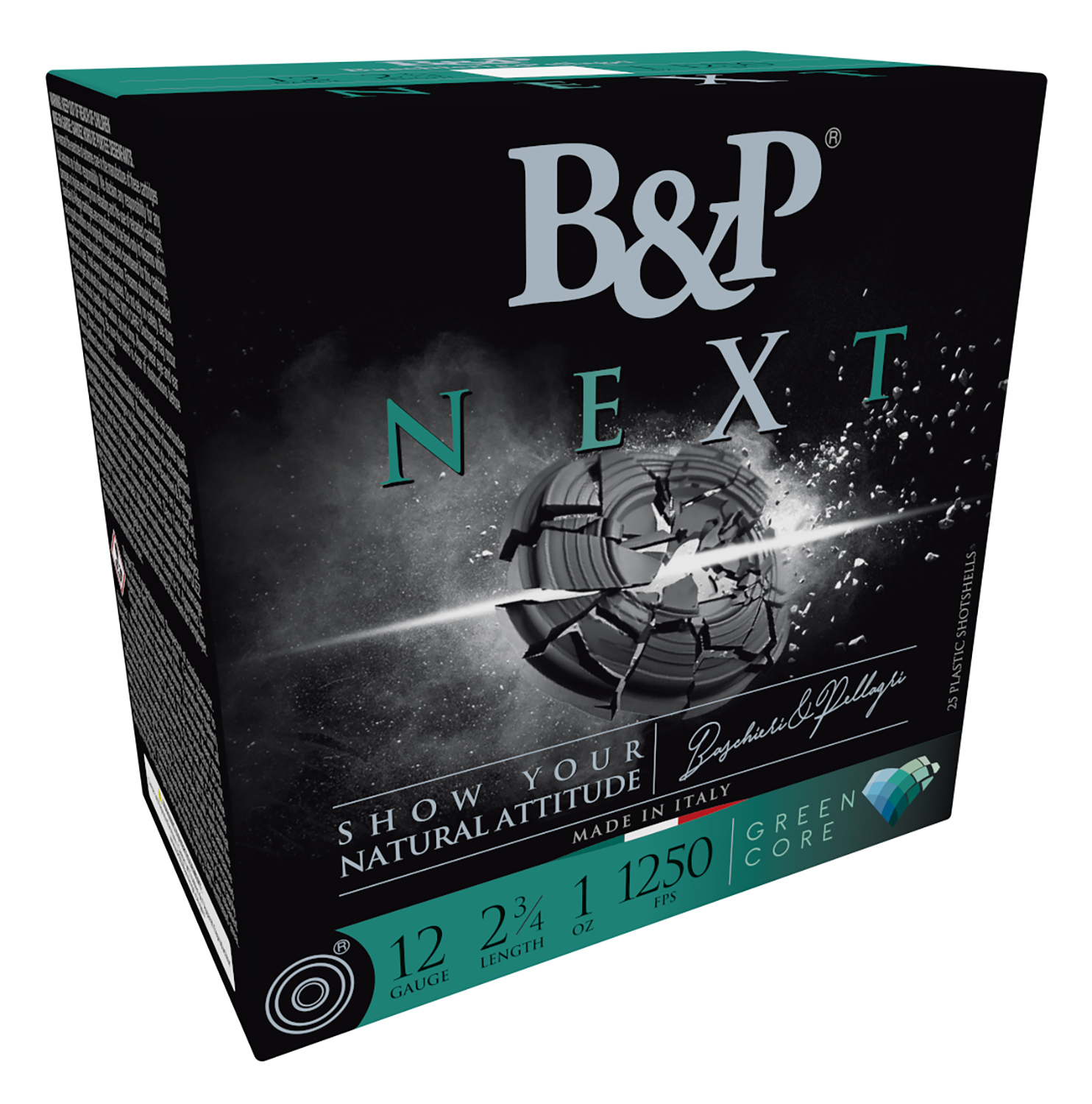
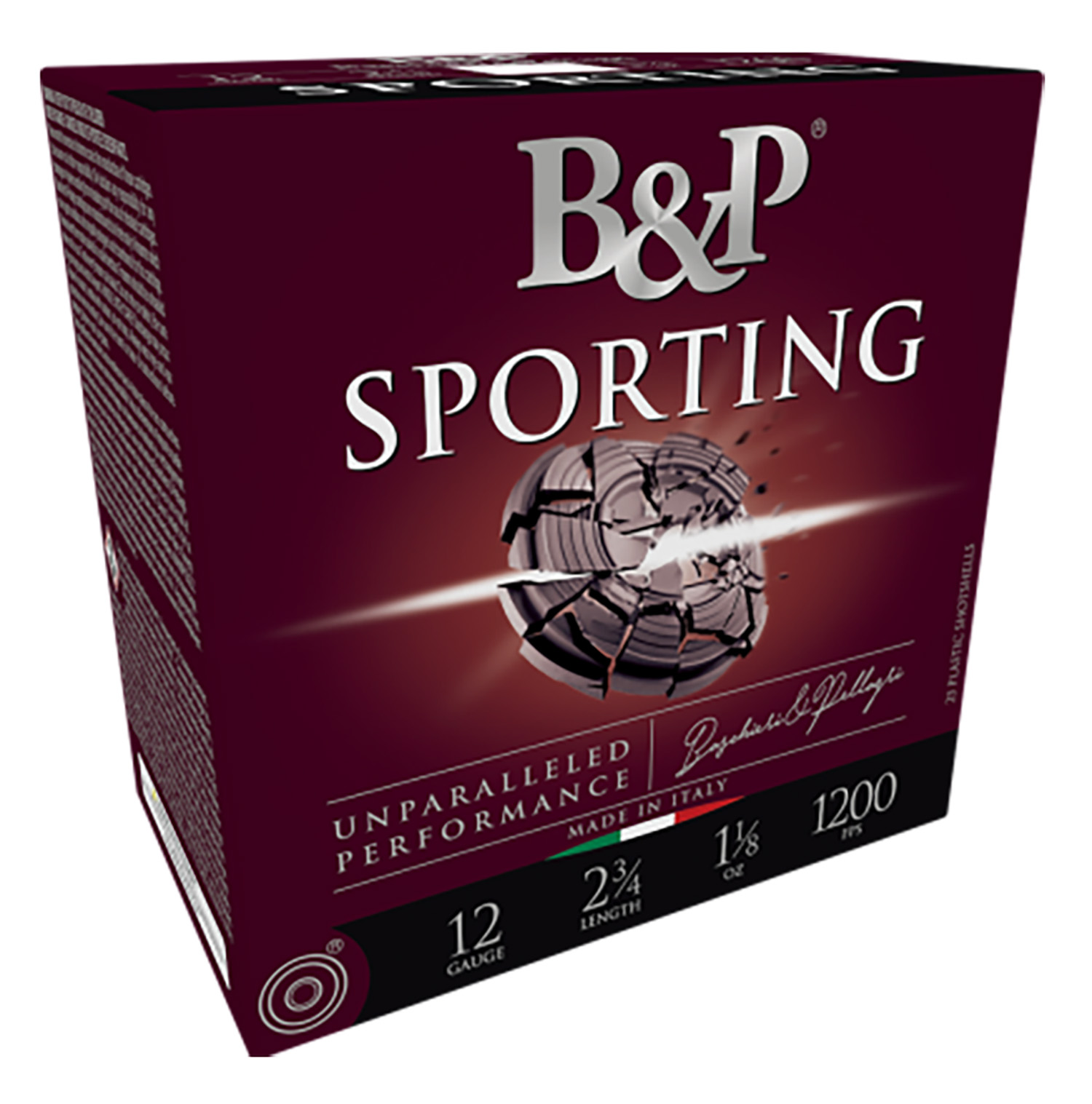
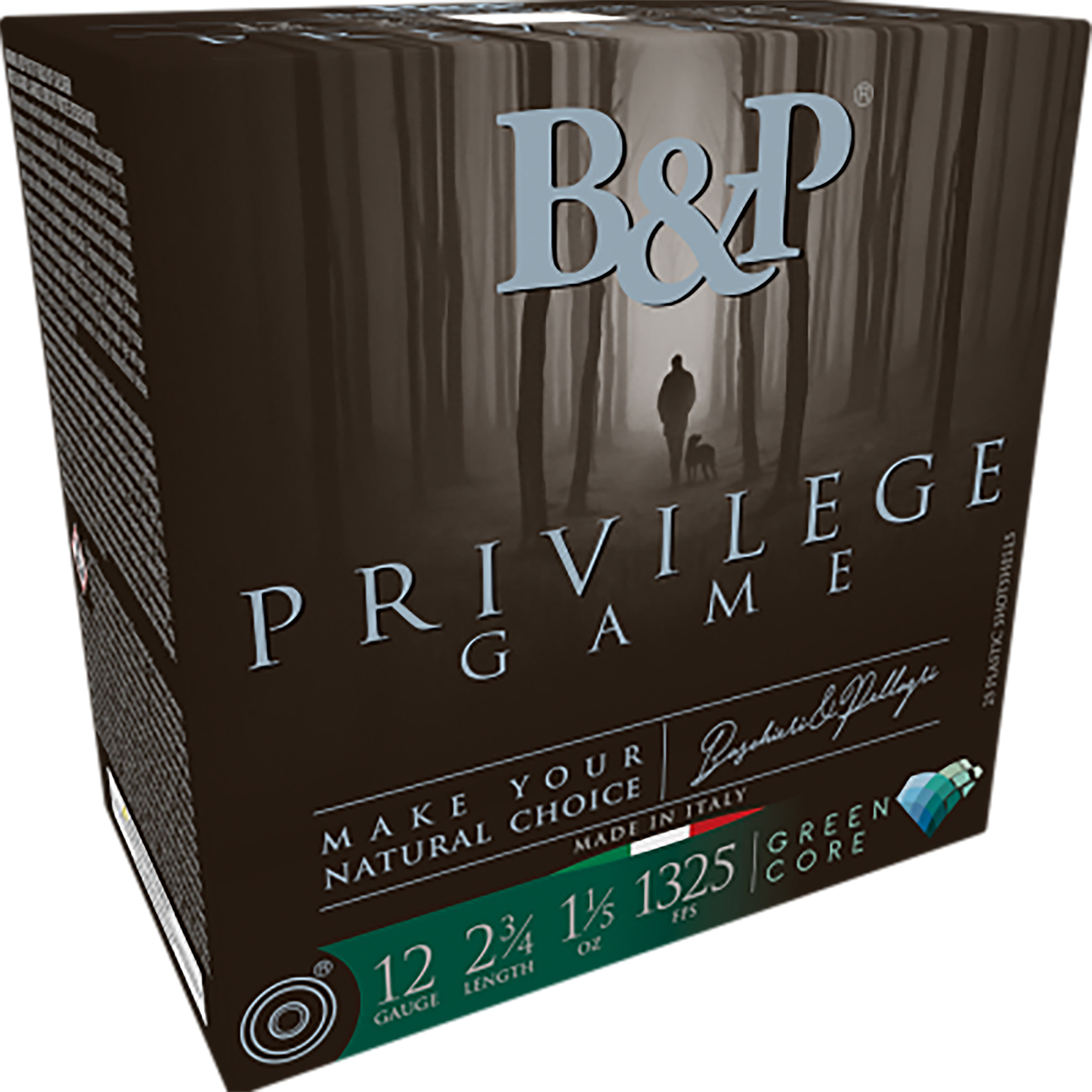
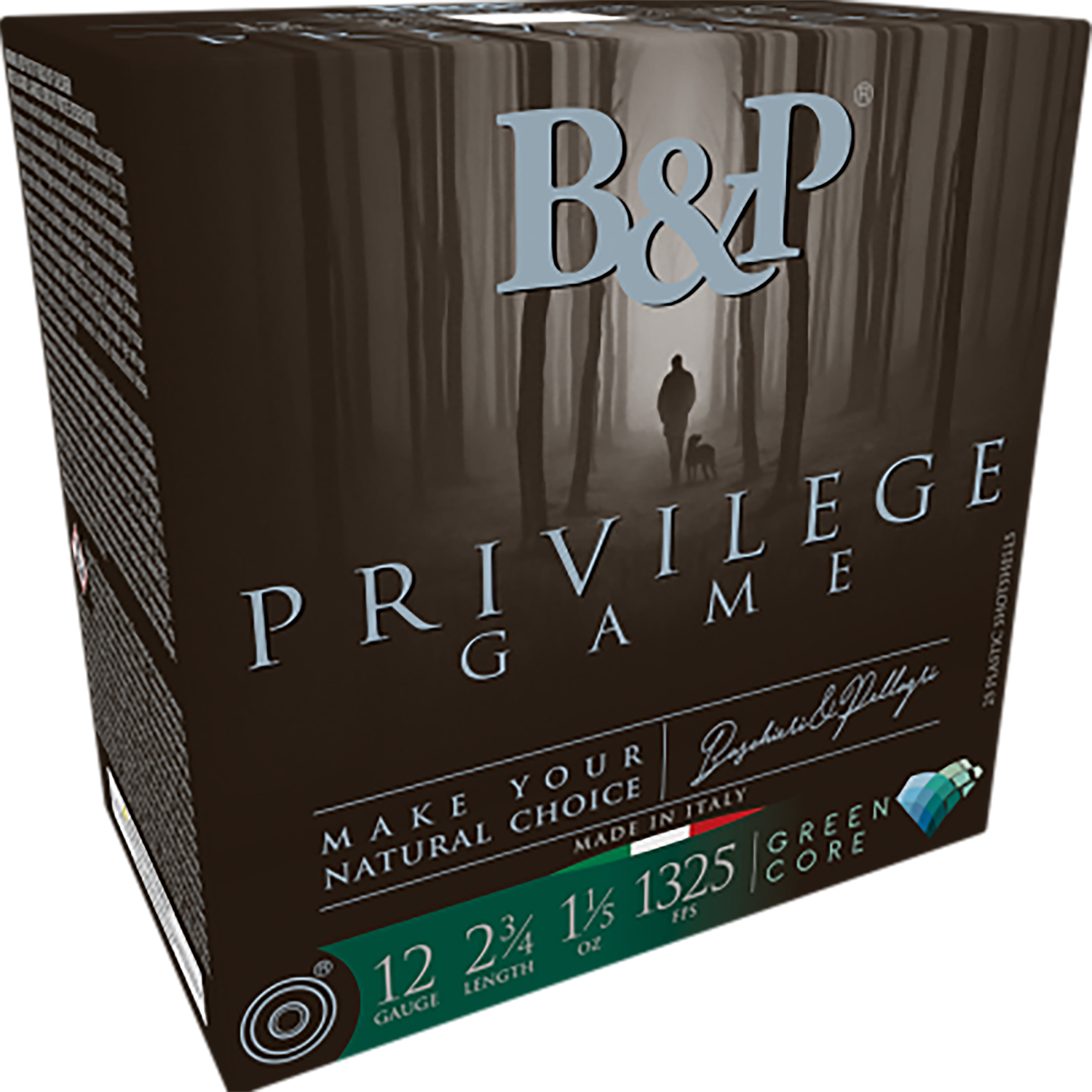
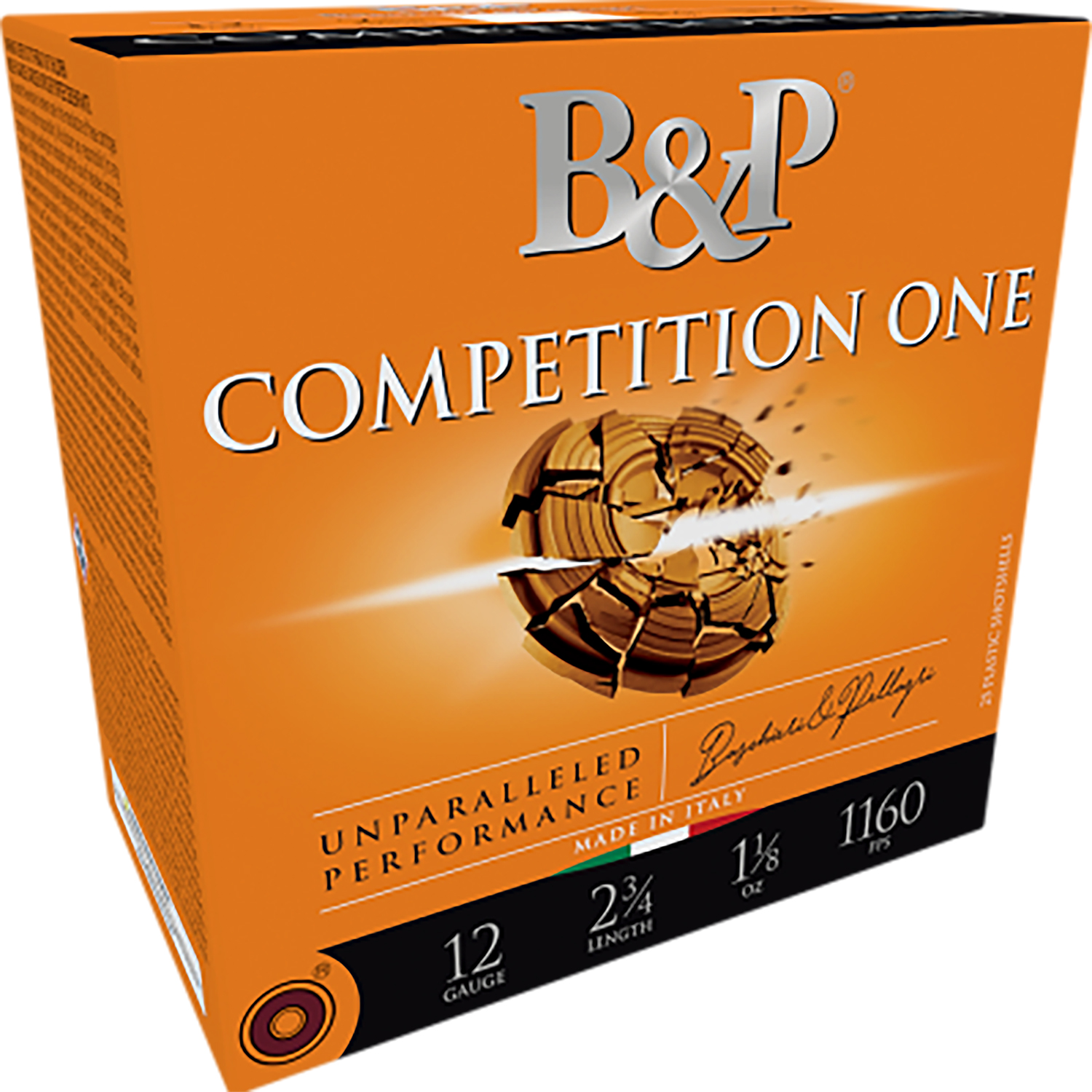
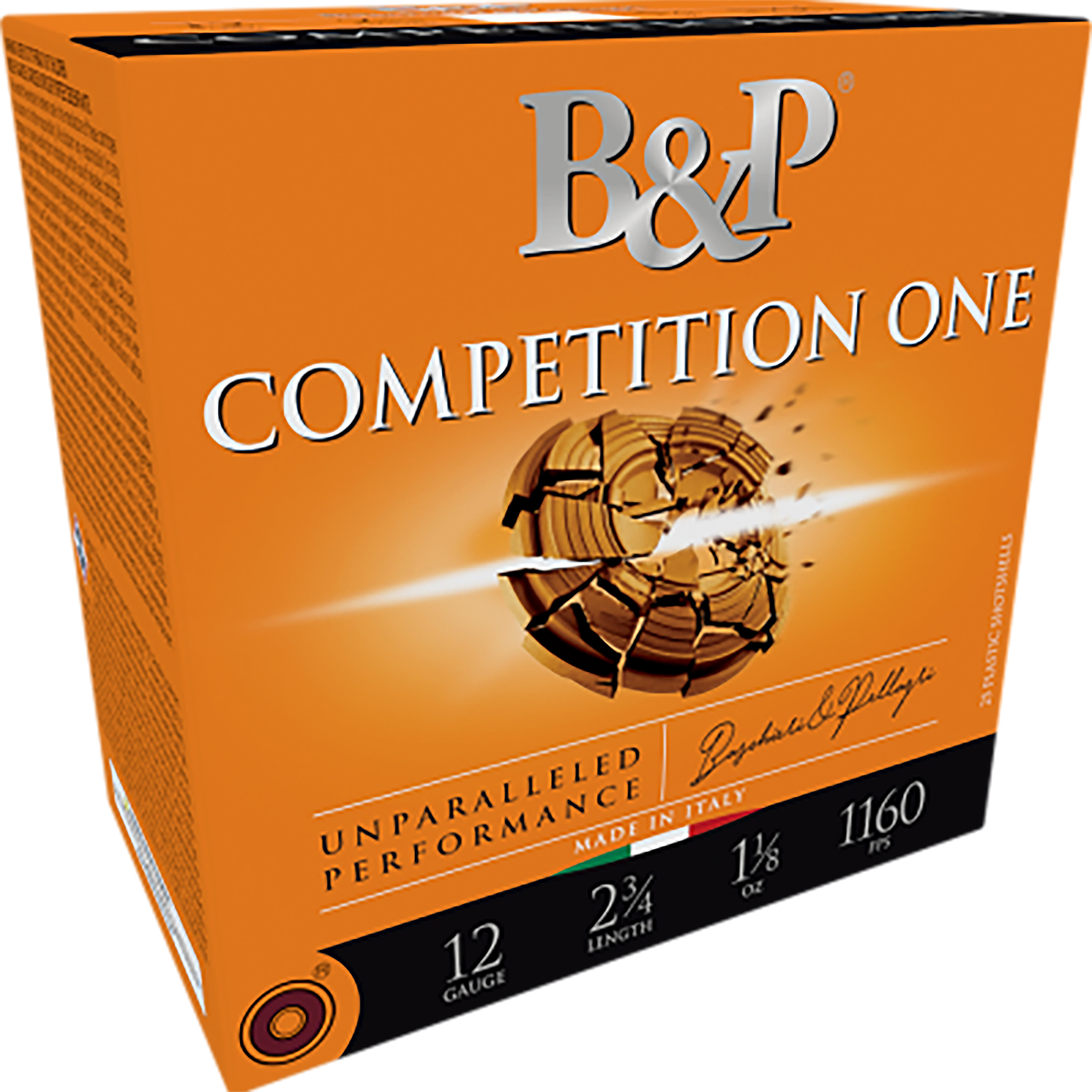
12 Gauge Ammunition In Sheffield And Online
Get 12 gauge shotgun shells at our gun shop in Sheffield, Alabama, or order online with nationwide shipping. Caperton’s Guns, Ammo & Knives keeps the shotgun shells you need for real use, from weekend clays to bird seasons to a practical home setup.
A good choice starts with intent, then it narrows to the right shotgun, the right shell length, and a load that patterns the way you need. Our goal stays steady. We want your first range trip to confirm the pick, not question it.
Why 12 Gauge Still Fits So Many Roles
Few platforms cover as much ground as a 12 gauge, and that range shows up in the loads more than the guns. Target shells can feel soft and predictable, hunting loads bring the payload and pellet mix, and buckshot or slugs can shift the mission in one magazine tube.
Here are the main ways 12 gauge earns its keep:
Clays And Skill Work
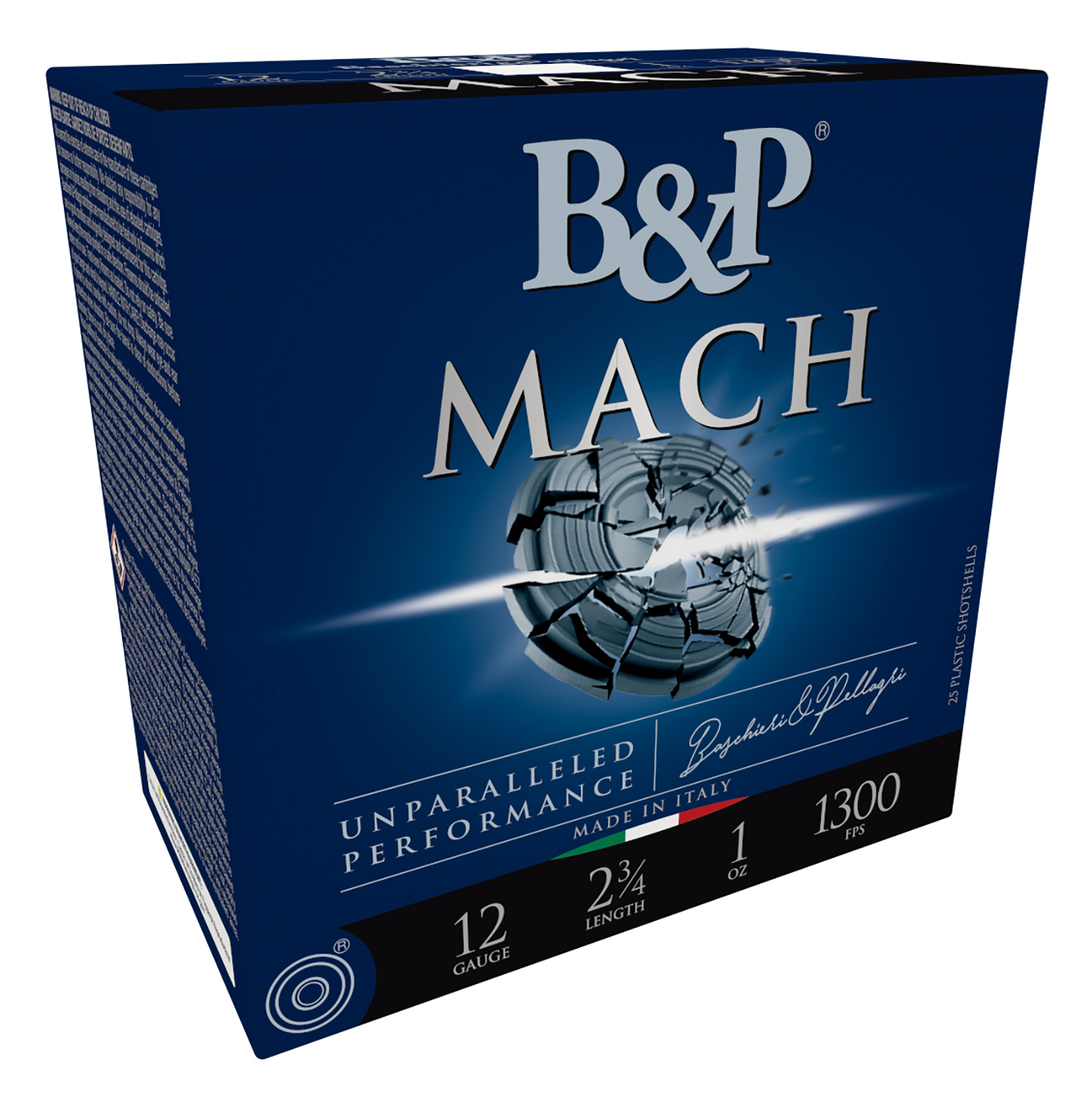
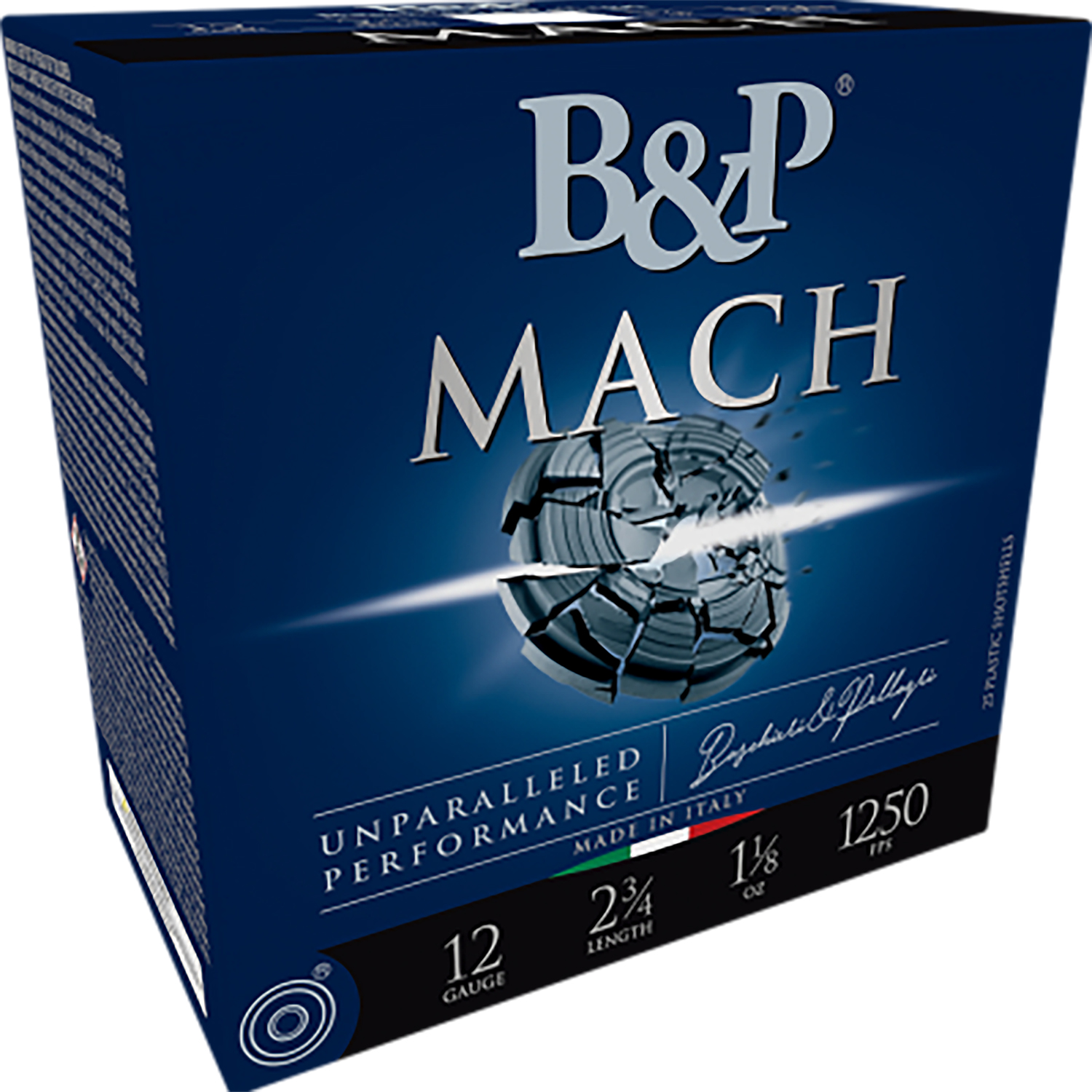
Trap, skeet, and sporting clays reward smooth mounts and clean follow-through, and 12 gauge stays forgiving when the timing slips by a fraction. A consistent target load helps build rhythm, then the gun’s fit takes over and makes the swing feel natural.
Birds And Upland
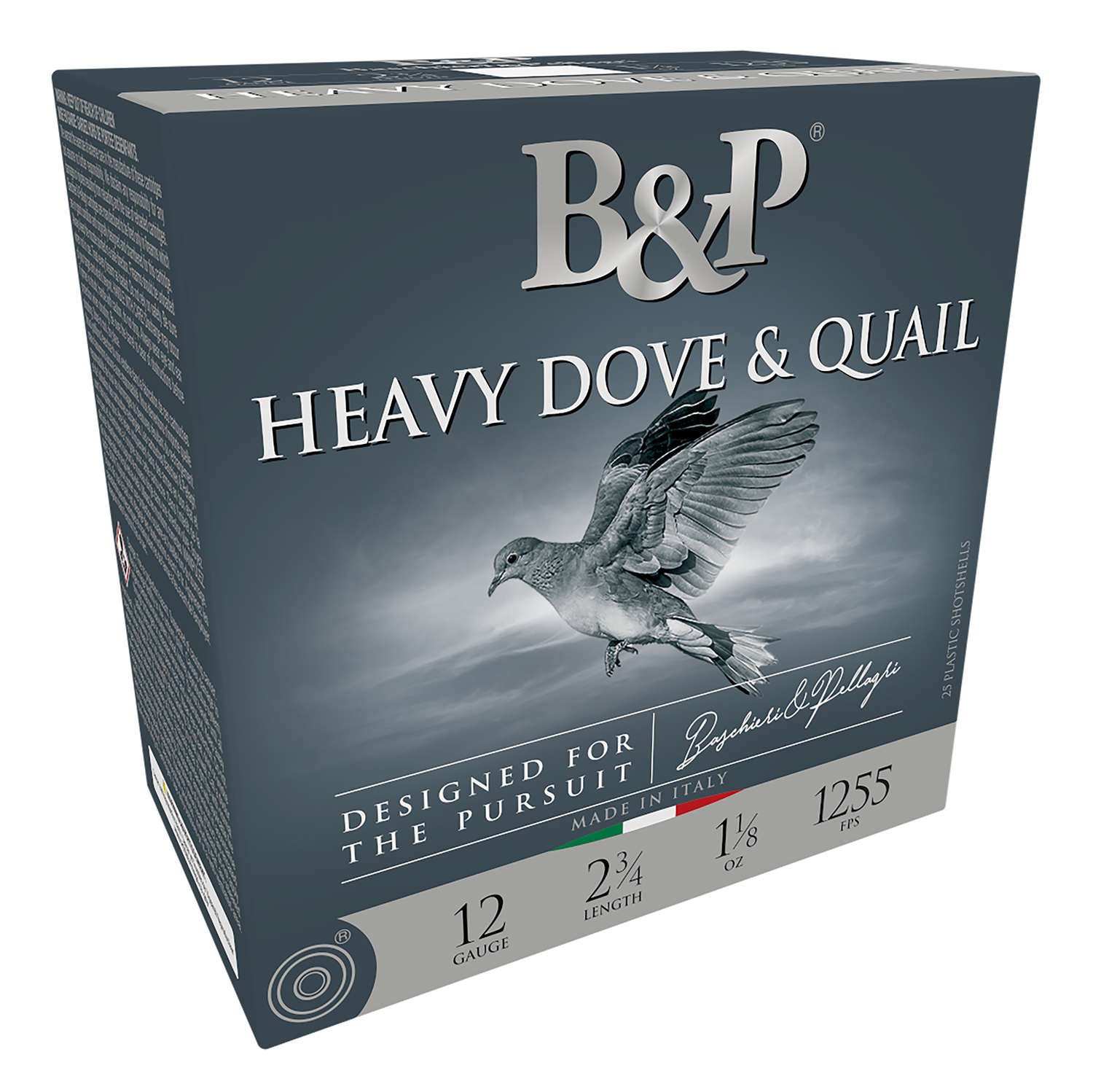
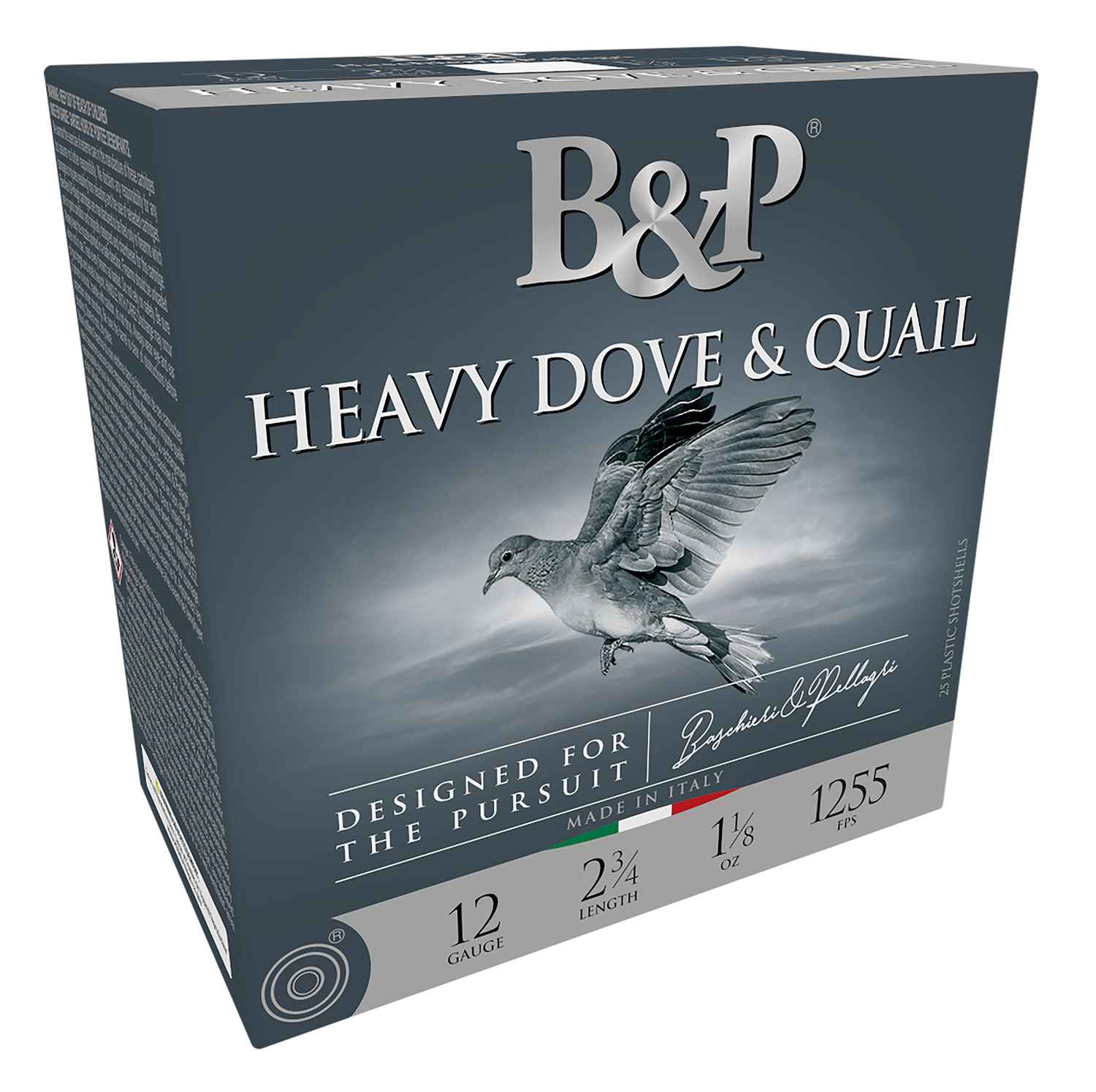
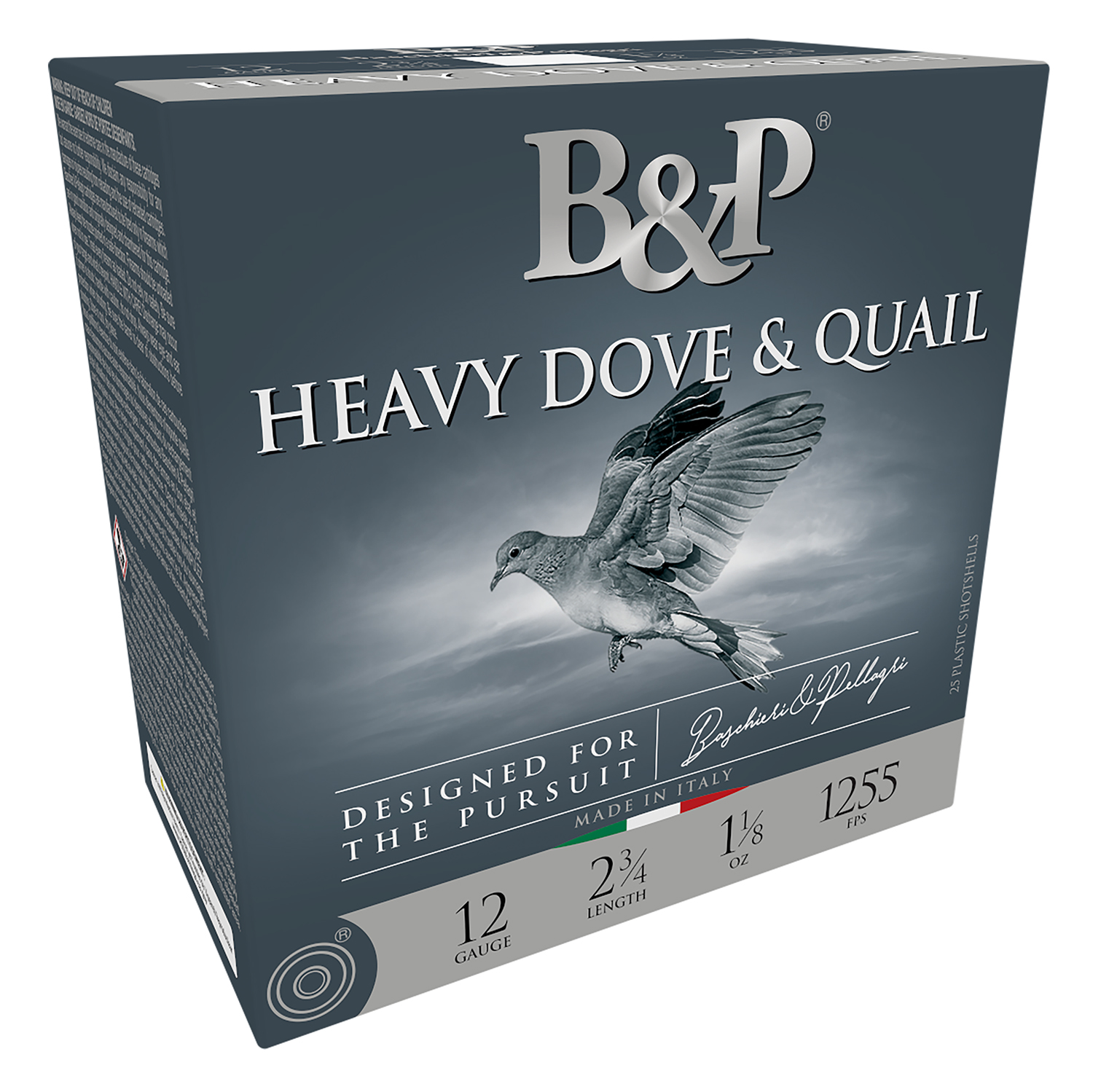
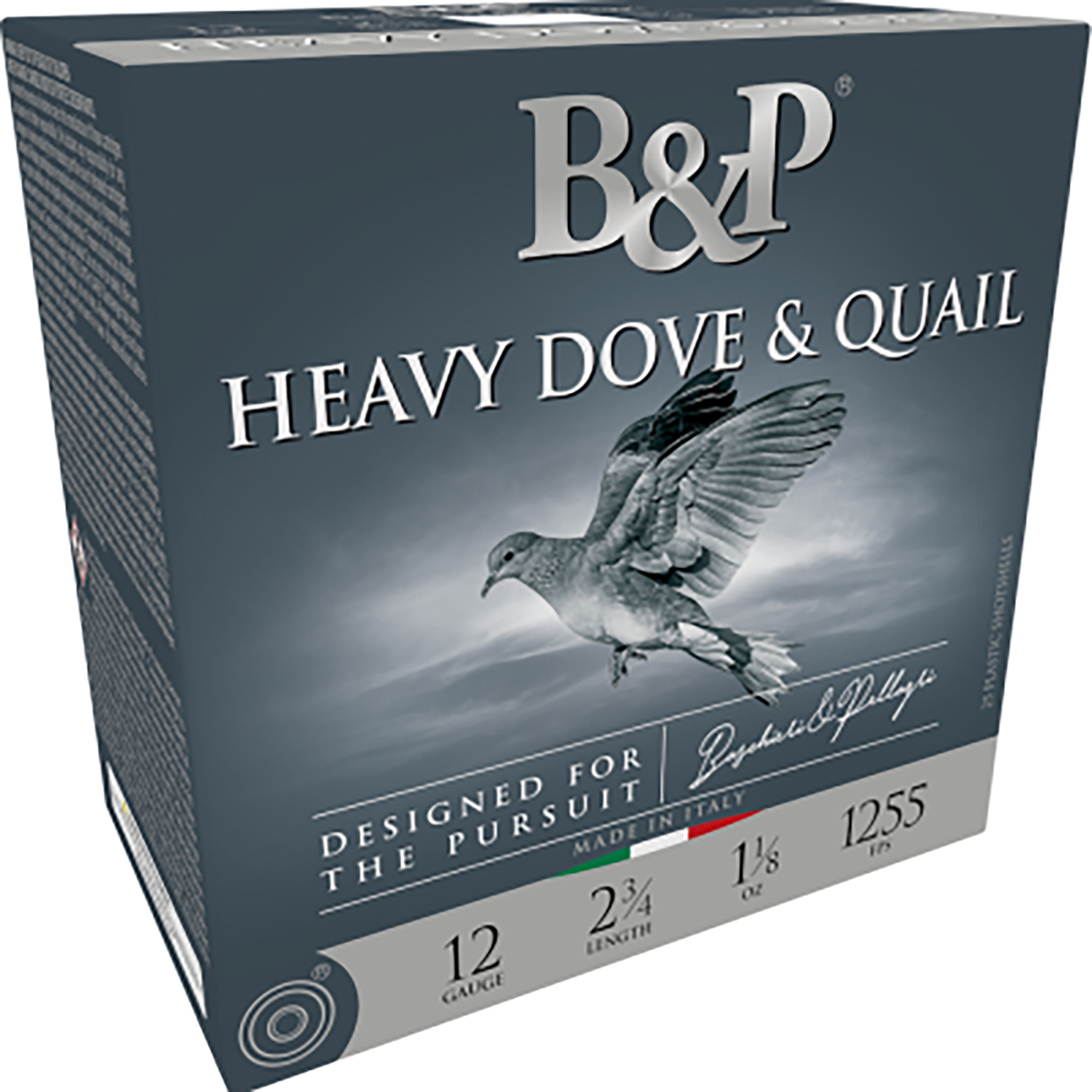
Field loads cover dove, quail, pheasant, and waterfowl work, with shot size and velocity tuned to the bird and the range. A well-matched choke and a pattern check can save a hunt from guesswork.
Turkey And Tight Patterns
Turkey setups tend to chase dense patterns at known distances, with heavier payloads and tighter constriction. A dedicated turkey gun can feel purpose-built, yet a versatile field shotgun can still do the job with careful load testing.
Deer And Slugs
Slug work turns a smoothbore into a short-range hunting tool, and a rifled slug or sabot choice depends on barrel type and sights. Familiarity matters most here, since recoil and follow-up speed change fast as payload rises.
Home Protection
A 12 gauge can serve home protection roles when the shooter commits to training and safe storage. Load selection matters, and pattern checks at realistic room distances tell the truth about spread.
Shotgun Shells For Target, Field, And Defense
Shotshell buying feels simple until the box details start to matter, and 12 gauge has more of those details than most new owners expect. Shell length, shot size, payload weight, and velocity all shape recoil, pattern density, and effective range. A smart approach starts with what the gun can chamber, then it moves to the job at hand.
These are the factors we use to narrow the right load:
Shell Length And Chamber Fit
Chamber length sets the ceiling, so a 2 3/4-inch chamber calls for 2 3/4-inch shells, and a 3-inch or 3 1/2-inch chamber opens more options. A longer shell can add payload, yet recoil rises and cycling feel can change, especially in lighter guns.
Shot Size And Payload
Target loads often use smaller shot and moderate payloads, which helps keep recoil manageable during long sessions. Field loads can step up to larger shot or heavier payloads, which boosts energy on target at the cost of more push on the shoulder.
Buckshot And Slug Basics
Buckshot brings multiple large pellets, and it works best when the pattern stays tight at the distances you expect. Slugs trade spread for a single projectile, and sighting becomes more like rifle work, with a clear point of aim and a confirmed zero.
Patterning And Choke Choices
Patterning beats assumptions every time, and it takes only a few sheets of paper to show what a load does from your barrel. Chokes change density and edge coverage, so the same shell can look average in one gun and impressive in another.
Shotguns That Match Your Use
A 12 gauge shotgun can feel perfect in the rack and wrong on the range if the fit misses the mark. Stock dimensions, balance point, and recoil management all show up the first time you mount the gun under a little speed. We focus on a shotgun that points where your eyes look, then we match action type to how you plan to run it.
The following shotgun styles cover the most common needs:
Pump guns bring simple mechanics and broad load tolerance, and they reward a firm, consistent stroke. Training matters, since short-stroking causes avoidable stoppages, yet a practiced pump feels fast and confident.
Semi-auto actions can smooth recoil and speed follow-up shots, which helps for clays and high-volume bird work. Load choice can affect cycling, so a quick test with your preferred shells keeps reliability in the clear.
Over-under shotguns stay popular for clays and upland hunting, with two barrels that offer quick choke choices without extra parts. Maintenance stays straightforward, and balance often feels lively in the hands.
Side-by-side shotguns carry a classic profile and a distinct sight plane, and many shooters love the way they move on crossing targets. Fit still rules, since the stock and drop drive how quickly the bead lands where you want it.
Single-shot shotguns keep the manual of arms simple, and they can suit new shooters who want a slower pace and clear fundamentals. One shot forces focus on mount, sight picture, and trigger press.
Bolt action shotguns often show up in turkey and slug niches, where a steady rest and deliberate shots matter more than rapid follow-ups. Many designs support optics-ready setups, which pairs well with slug accuracy goals.
Magazines And Feeding Systems
Feeding style changes how a 12 gauge runs, how it reloads, and how it stores in a safe. Tube-fed designs dominate traditional shotguns, yet magazine-fed options have a place, especially when fast reloads matter. The right answer depends on how you train and what you expect from the platform.
Here are the feeding setups we see most often:
Detachable magazines can speed reloads and support structured drills that mirror rifle-style practice. Fit and spring quality matter, so we like proven magazines that lock up clean and feed without nose-dives.
Tube Setups And Practical Capacity
Tube-fed systems keep the profile slim and balance consistent, and topping off can happen between shots with practice. Capacity limits vary by model and local rules, so we recommend a quick check before a season starts.
Setup Checklist For 12 Gauge
A 12 gauge setup improves fast when the basics line up, and small checks prevent the most common frustrations. This list focuses on the steps we run through when someone wants a dependable shotgun for clays, hunting, or protection.
- Chamber match: Confirm the shotgun’s marked chamber length, then buy shells that match it. A correct fit supports reliability and keeps recoil expectations realistic.
- Pattern test: Fire your chosen load on paper at the distances you expect to use it. The results guide choke choice and remove guesswork from the field.
- Mount and fit: Set the stock length and comb height so the bead sits naturally under your dominant eye. A clean mount drives better hits than any single accessory.
- Recoil plan: Choose a load that you can shoot for a full session without flinching. Consistent practice beats a heavier payload that you avoid.
- Storage routine: Lock the shotgun and store shells in a controlled, dry space. Clear habits keep the household safe and keep gear ready.
Gun Parts That Improve A 12 Gauge
A shotgun can stay bone-stock and still perform well, yet a few parts can make it easier to run under pressure. We look for upgrades that support control, sighting, and safe handling without turning the gun into a project that never ends.
These are the parts that tend to change performance most:
A weapon light supports target identification in low light, and that role matters more than raw brightness numbers. Switch placement should match your support-hand grip so activation stays natural.
Recoil Pads, Stocks, And Controls
A quality recoil pad can make long sessions feel manageable, which keeps practice consistent. Stock fit still matters more than any pad, so we look at length of pull and cheek weld first.
Maintenance Parts And Wear Items
Springs, extractors, and small pins do not feel exciting, yet they keep the gun running when round counts climb. A simple maintenance schedule and a quick inspection after hard use can prevent surprises.
Sighting systems shape how quickly a shooter confirms aim, and 12 gauge covers everything from a bead on a field gun to optics on a slug setup. Choices should match the role, the recoil profile, and the way you practice. We prefer a setup that stays simple and repeatable, with a clear plan for zero checks.
These sighting options cover most 12 gauge use cases:
Improved iron sights can help slug work and can add confidence on tighter targets. A clear front reference and a consistent cheek weld keep impacts predictable.
Red dots sights can speed target focus and support precise holds with slugs, especially on optic-ready platforms. Zero confirmation matters after any hard knock, since shotguns deliver a lot of impulse.
Thermal sights can help in low-light hunting contexts where legal, safe identification comes first. Range confirmation stays part of the process, since holds change fast with slugs and buckshot patterns.
A range finder can take the guess out of distance, which helps when a turkey setup has a hard limit or when slug drop matters. Consistent ranging builds better decisions than hopeful estimates.
Binoculars support safe scanning and target confirmation before the shotgun ever comes up. Good glass reduces eye strain and helps you stay patient in the field.