9mm In Sheffield And Online
Buy 9mm at our gun store in Sheffield, Alabama, or order online with nationwide shipping. At Caperton’s Guns, Ammo & Knives, we keep 9mm ready for practice, carry, and competition, then help match the load to the firearm on the bench. Small details still drive reliability, from chamber markings to bullet weight to magazine fit.
Our aim is simple. Leave with ammunition that runs, then build skill with repeatable range time.
Most shooters say “9mm” and mean one cartridge. The market holds several 9mm-family rounds, and mix-ups create real risk. This page focuses on 9mm Luger, the common 9×19 cartridge used in modern pistols and many pistol-caliber carbines.
These basics keep 9mm selection safe.
9mm Luger, 9×19, And Chamber Markings
Our first check is the chamber marking on the barrel hood, slide, or receiver. The labels “9mm Luger,” “9×19,” and “9mm Parabellum” point to the same cartridge in common retail use. Other rounds that share a “9mm” label, such as 9mm Makarov, do not share interchangeability. That mismatch can damage a firearm and put the shooter at risk.
Pressure Ratings And +P Use
Standard-pressure 9mm covers most training and defense loads. +P raises pressure for higher velocity in some loads, and the added impulse can change recoil feel and long-term wear. We advise a manual check for the exact model. If the maker allows +P, a short test for function and point of impact keeps surprises away.
Bullet Weights And What They Change
Bullet weight shapes recoil character, sight tracking, and point of impact. A 115-grain load often feels quick and suits high-volume practice. A wide range of shooters settle on 124-grain as an all-around weight that tracks well in compact and full-size pistols. A 147-grain load can feel softer and can pair well with suppressed use, subject to platform tuning. We prefer one training weight that stays available, then a carry load that prints close to the same point.
9mm has its reputation from versatility. One shelf can hold economy range boxes, premium defensive hollow points, and specialty loads for steel matches or quieter suppressed shooting. Load choice should follow role, firearm design, and your tolerance for recoil impulse.
This breakdown covers the load types that come up most at our counter.
Range Loads For Practice Volume
Full metal jacket loads dominate training. They feed well in most pistols, run clean enough for long sessions, and keep cost per round in check. Brass cases support broad extractor compatibility and smoother ejection in many platforms. Steel cases can run fine in some guns, yet they can raise extraction stress in tighter chambers, so we recommend a short function check before a bulk purchase.
Defensive Loads And Real-World Reliability
A defensive 9mm load lives or dies by reliable cycling and controlled expansion. Modern jacketed hollow points tend to run well in contemporary feed ramps, and bonded designs can hold together better through common barriers. Our standard is plain. Confirm reliability with your own magazines and the exact pistol you plan to carry. A carry load that stutters in the first box has no place in a holster.
Subsonic Setups And Suppressor Use
Subsonic 147-grain loads can reduce crack with a suppressor and a tuned platform. Some pistols cycle subsonic loads with ease, and some need a spring change or a different profile. A short test session gives clear answers.
Storage, Lot Tracking, And Rotation
Ammunition stays stable for years with dry storage and steady temperature. Our team likes simple lot tracking for defensive loads and match ammo. Rotate carry ammunition after repeated chambering since bullet setback can raise pressure.
Handguns That Pair With 9mm
9mm earns its place through shootability and capacity in compact frames. Platform choice shapes everything that follows, from recoil control to sight picture speed to magazine selection. Our in-store conversations start with fit, then move to role and budget, then finish with a training plan that feels realistic.
The following handgun formats show how 9mm fits real roles.
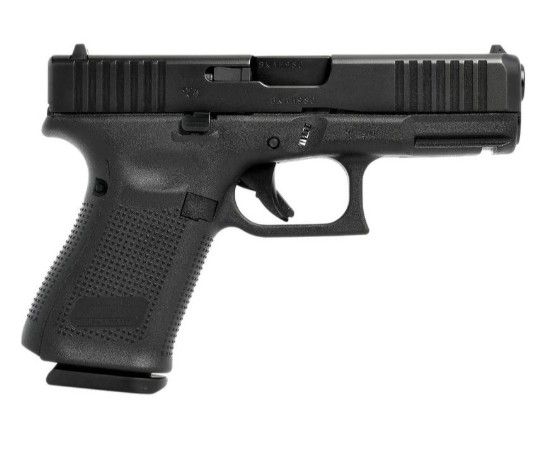
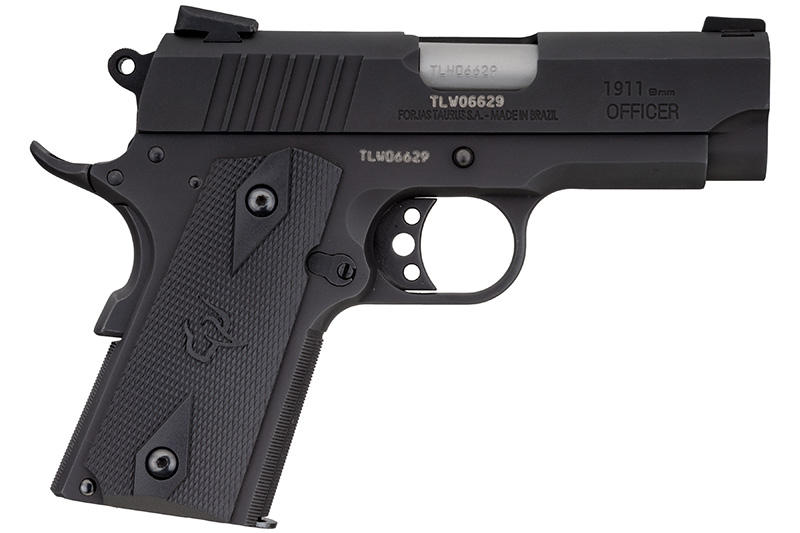
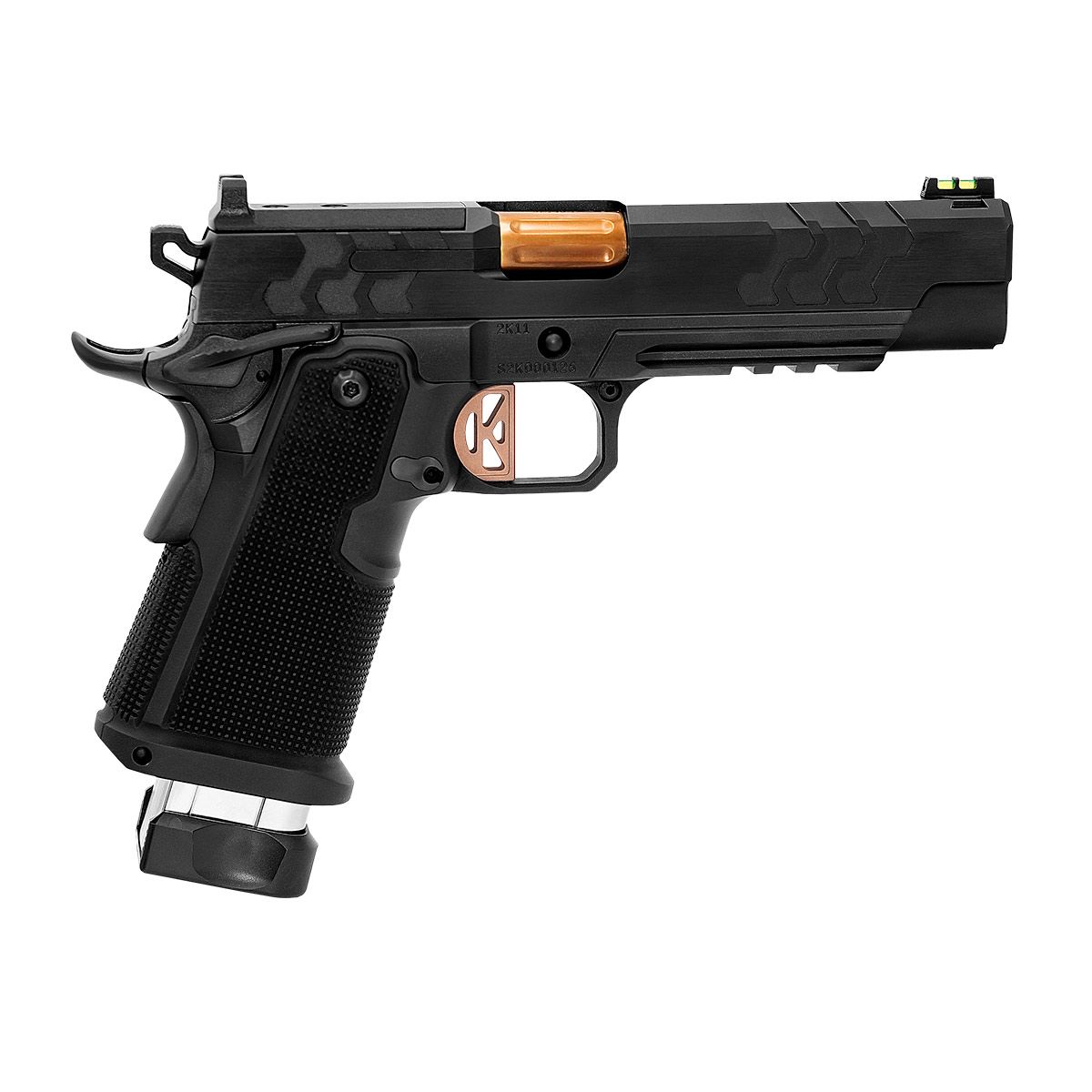
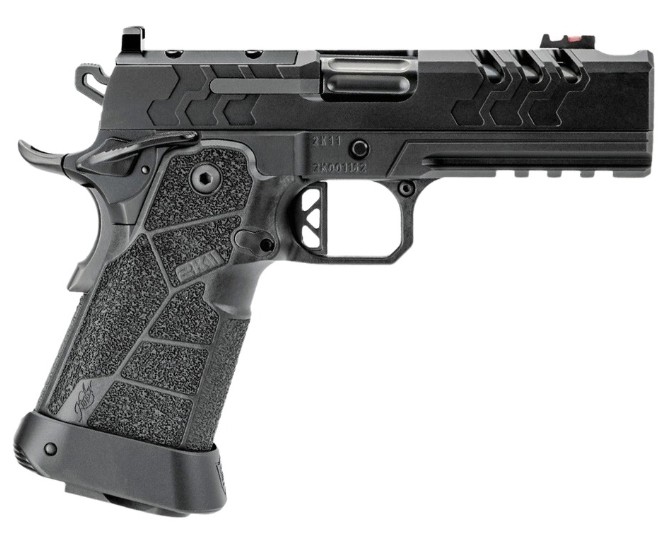
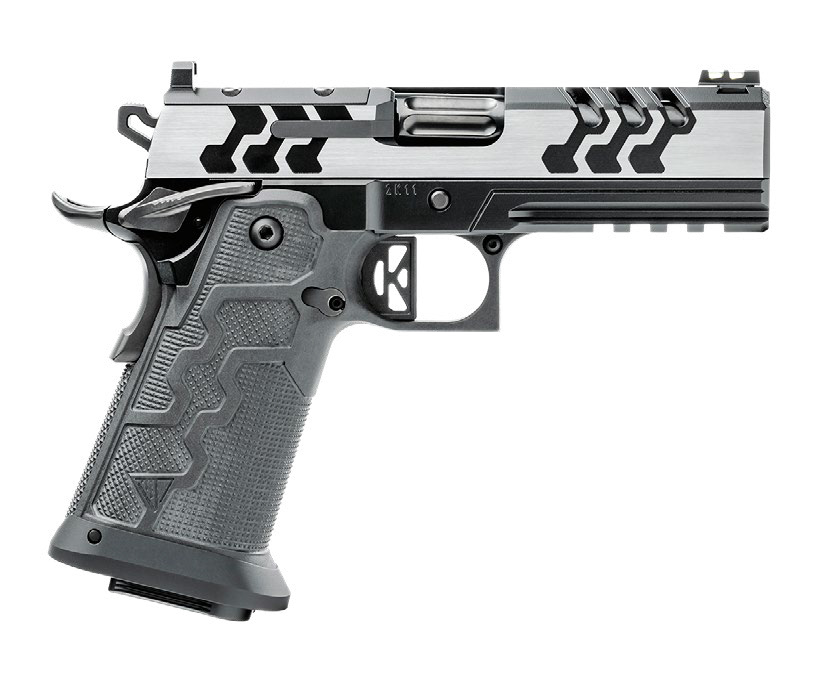
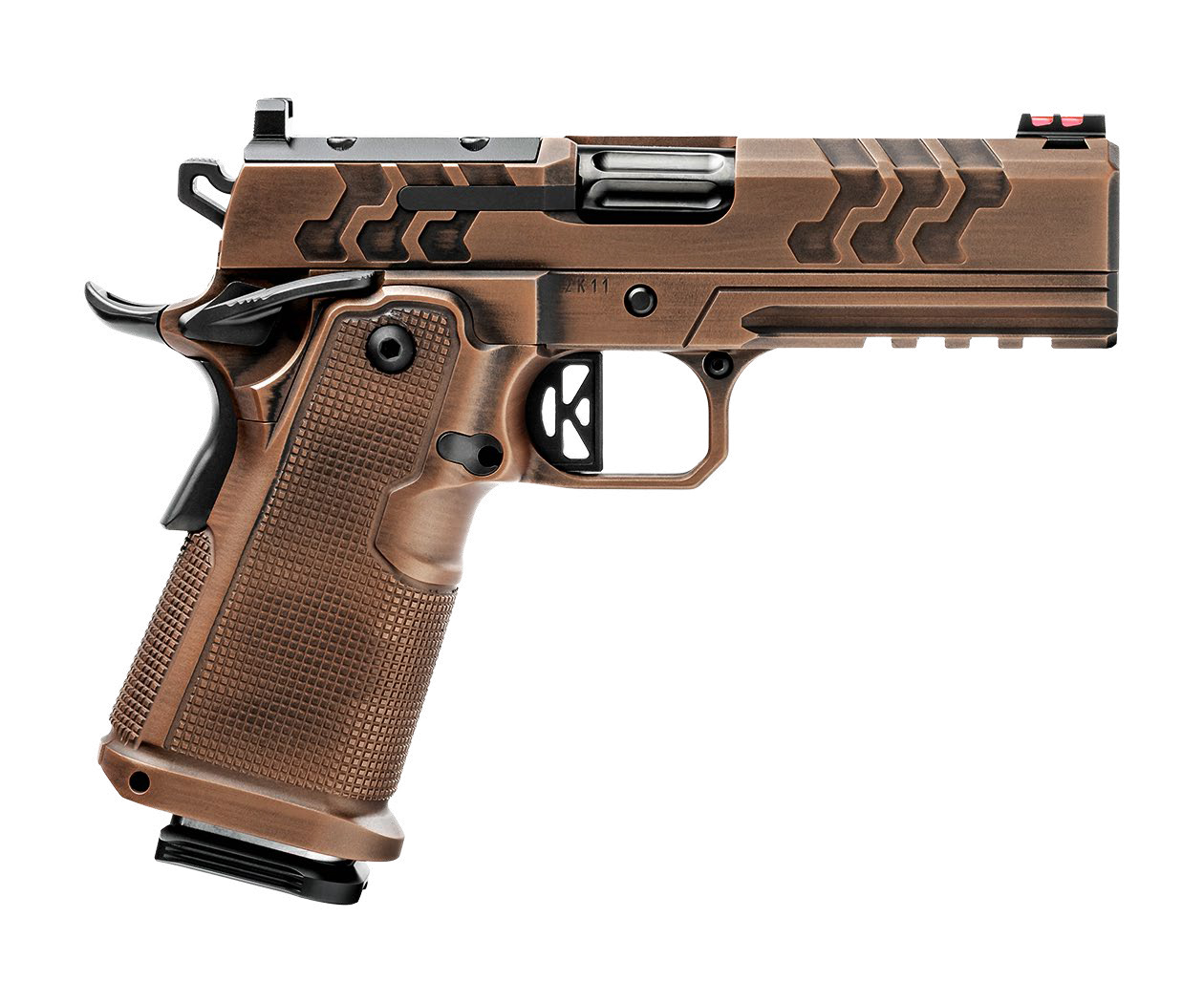
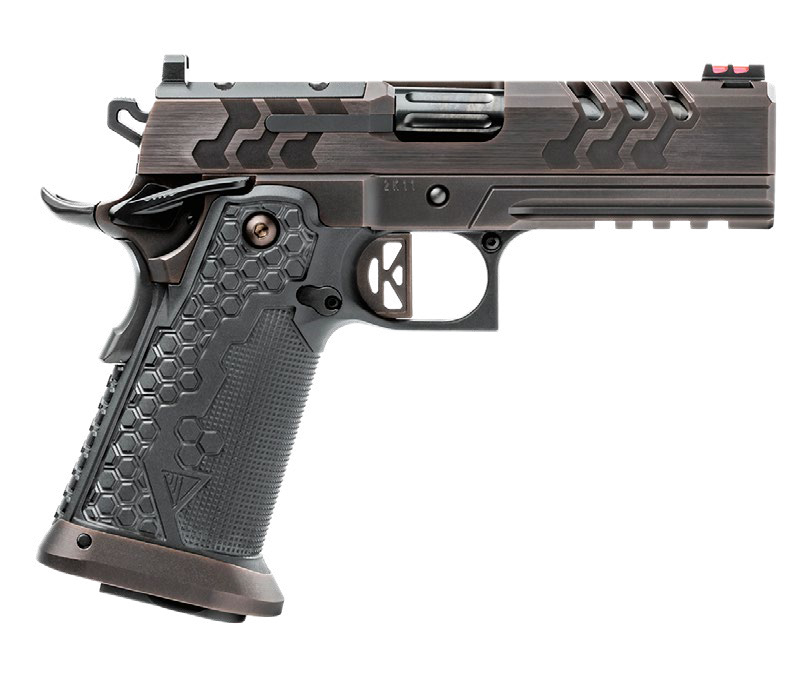
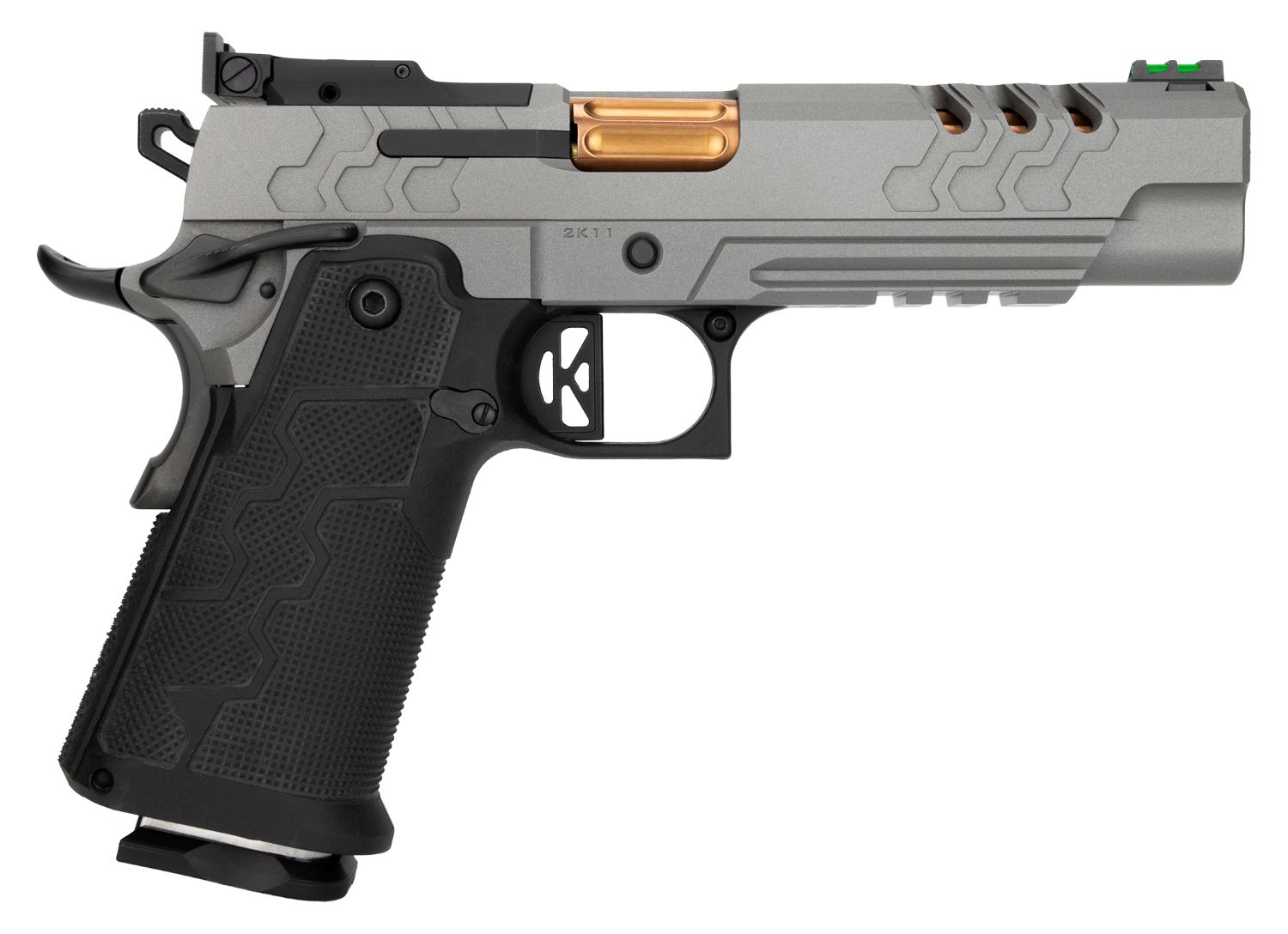
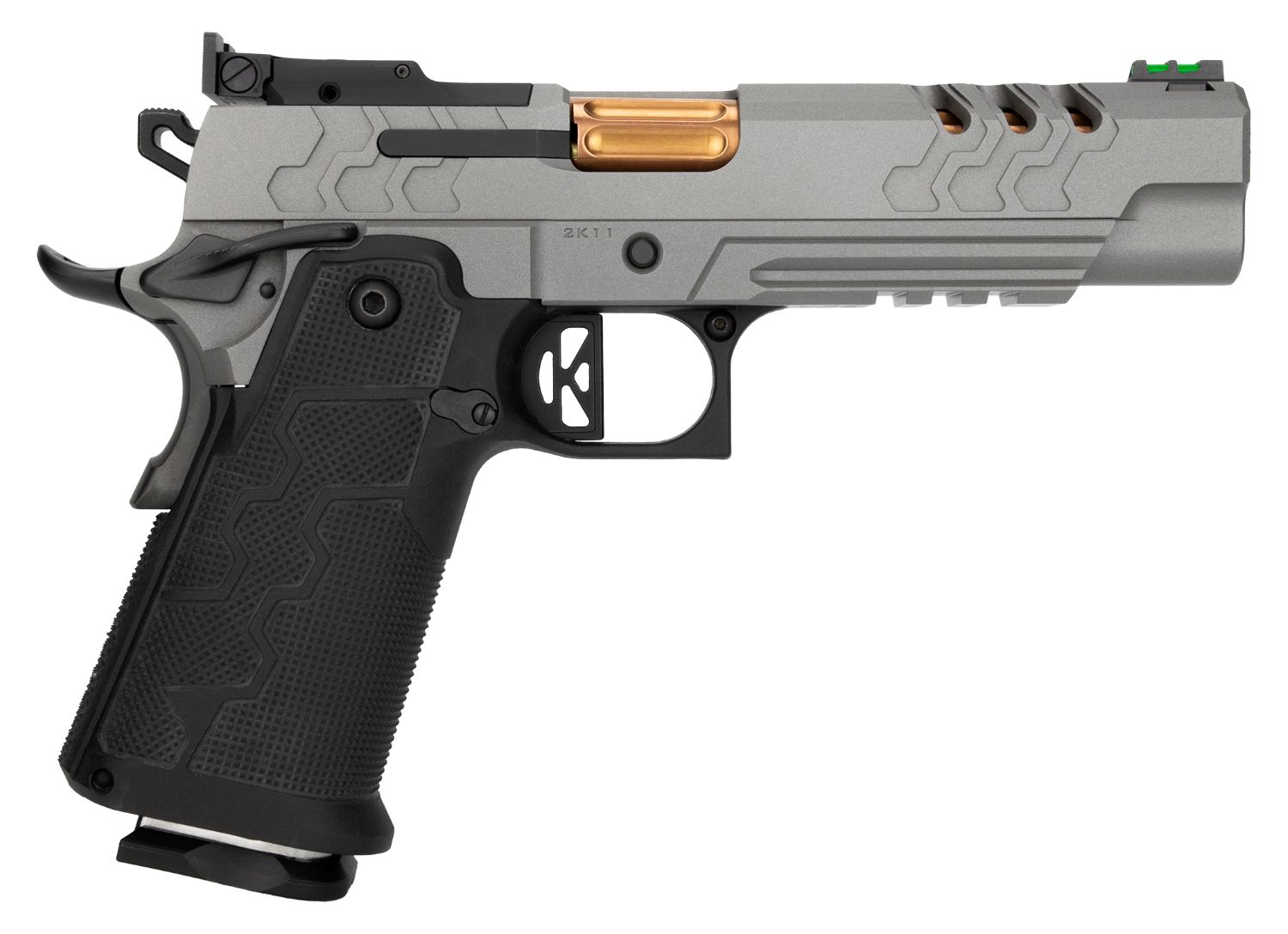
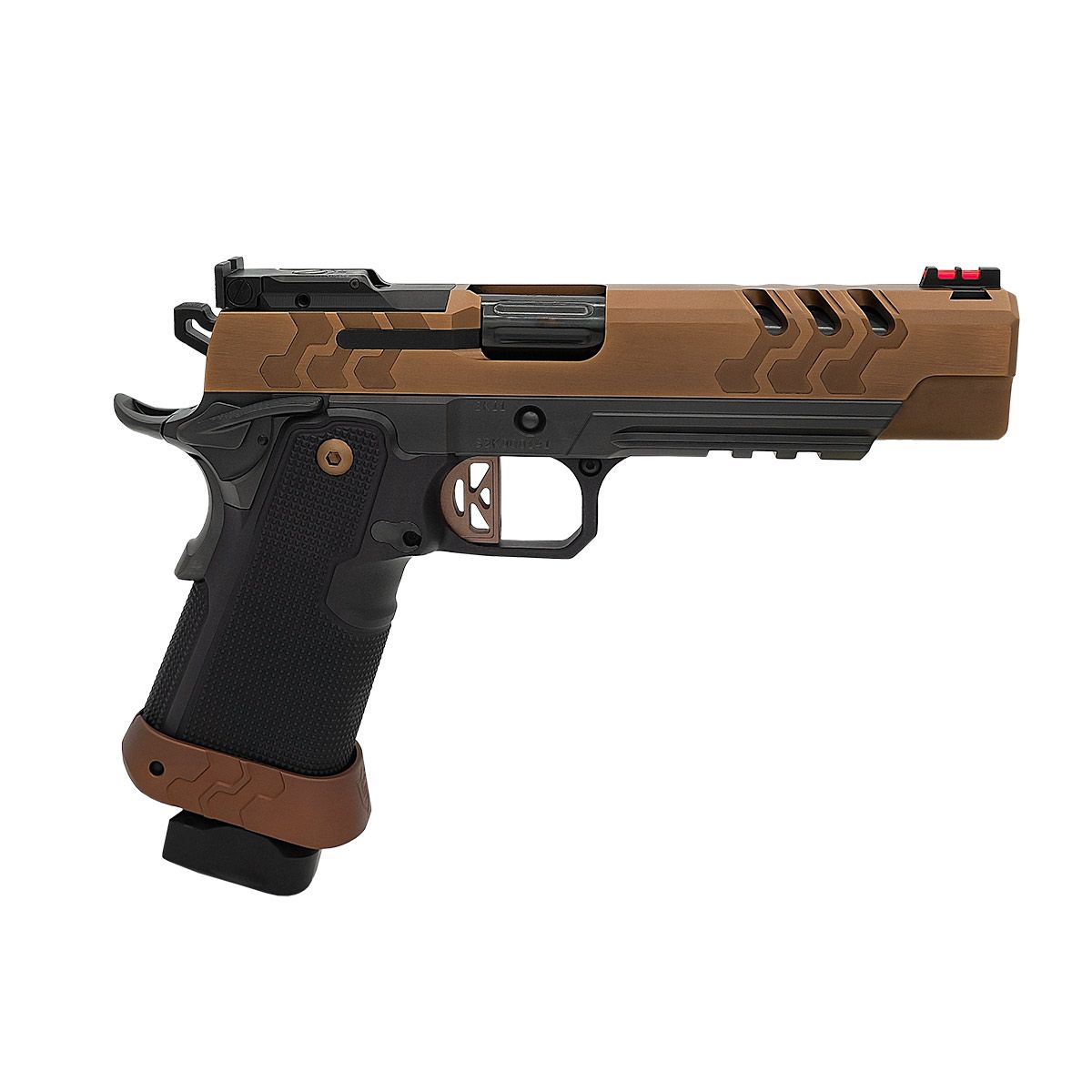
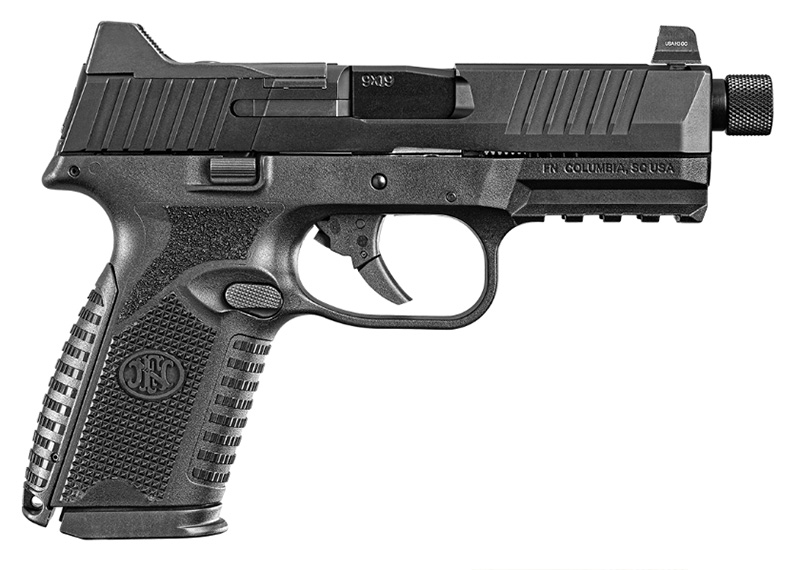
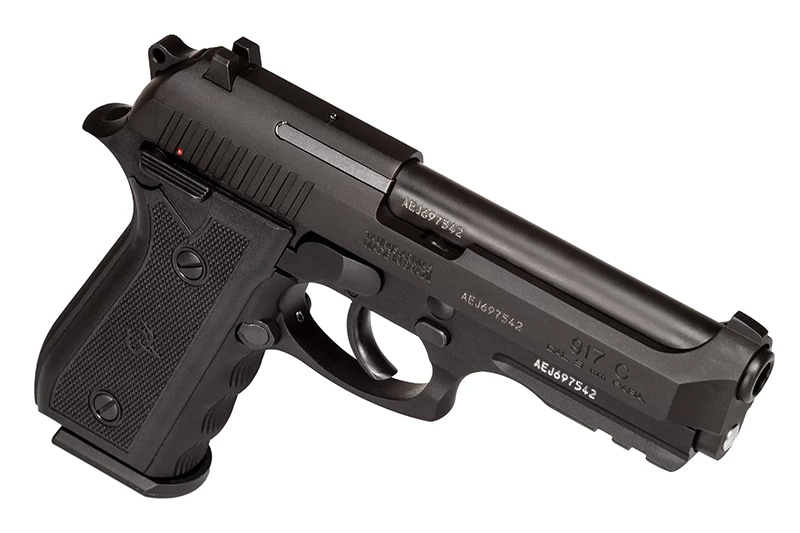
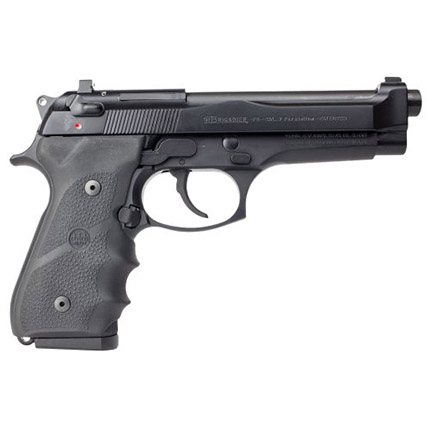
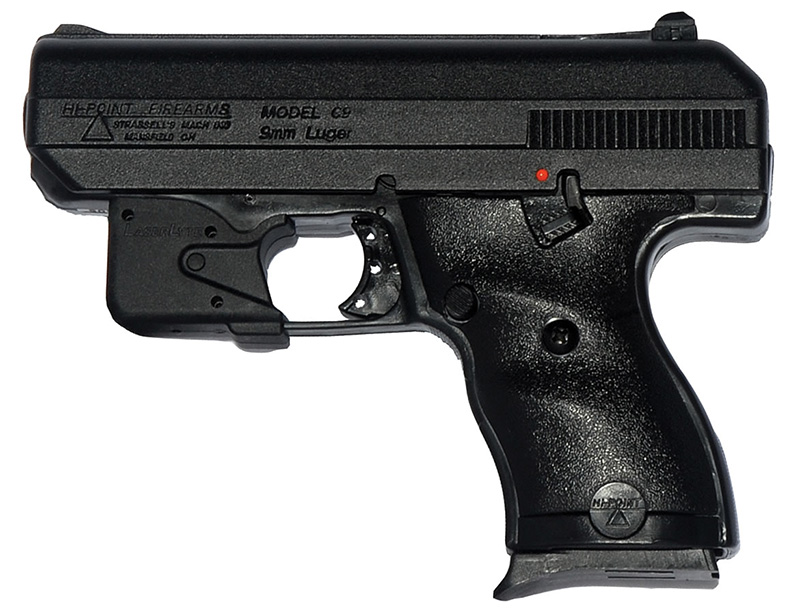
Modern semi-auto pistols dominate the 9mm space. Compact models suit concealed carry, and full-size frames offer longer sight radius and calmer recoil. Many current designs support optics-ready slides, high-visibility irons, and accessory rails. We look for a pistol that locks into a stable grip and resets predictably.
9mm revolvers bring a different feel. Moon clips support fast reloads, and the double-action trigger rewards disciplined practice. Clip fit matters, so a proper match between ammo length and clip tolerance keeps extraction smooth.
Single-shot pistols can slow the pace and push clean fundamentals. In a single-shot pistol, 9mm can support deliberate trigger work and careful sight alignment without rapid follow-up shots.
AR Pistols For Pistol-Caliber Handling
An AR-pattern pistol in 9mm blends compact length with stable two-point contact. Recoil stays light, and the control layout mirrors many rifle-style systems. Magazine pattern varies by build, so we confirm compatibility before anyone stockpiles magazines. This platform can suit drills and steel stages, subject to lawful configuration and safe storage.
Rifles That Share The 9mm Advantage
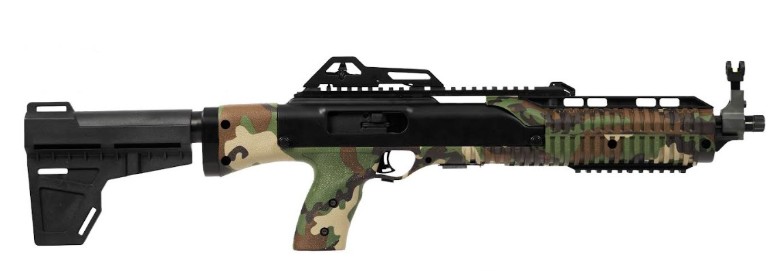
Pistol-caliber carbines in 9mm cut recoil, reduce blast, and keep ammo logistics simple for households that already run 9mm pistols. Barrel length can add velocity, and a shoulder-fired platform can tighten groups for many shooters. Sight choice and magazine pattern still matter.
Next comes the rifle-side view for 9mm carbines.
AR Rifles In 9mm Pattern Builds
Some AR rifles run 9mm and often use straight-blowback operation with a heavier bolt. That system can run well with the right buffer mass and spring rate. Feed reliability depends on magazine geometry, and ejector alignment can vary across builds. We recommend a basic function test with the load you plan to keep on hand.
Non-AR carbines can run 9mm with proprietary magazines and simple controls. These rifles can feel intuitive for new shooters and efficient for drills. A stable stock weld and longer sight radius help speed up transitions. Maintenance stays straightforward.
Plenty of owners keep 9mm next to centerfire rifle calibers. Clear labeling and separate storage bins cut the chance of a wrong round landing on the bench. Range bags benefit from the same discipline.
Magazines That Keep Sessions Moving
A strong 9mm setup still fails if the magazine presents rounds at the wrong angle. Springs, feed lips, followers, and baseplates all shape reliability. A standard set of proven magazine types saves time and reduces frustration.
This section highlights the magazine choices that matter most.
Factory magazines tend to set the reliability baseline for carry pistols. Aftermarket options can work well, yet tolerance stacking can create subtle feed issues. One tracking habit works well. Mark each magazine with a number, then note any recurring problems.
AR-pattern magazine needs change with caliber and pattern. Certain 9mm builds use pistol-pattern magazines, and some use dedicated 9mm AR mags. Either route demands consistent insertion, solid lockup, and smooth release. A quick look at feed lips after practice can prevent surprises.
Many shooters train with a 9mm pistol, then swap to a centerfire rifle in the same week. Regular maintenance of rifle magazines supports that schedule. Clean bodies, smooth followers, and healthy springs reduce stoppages.
Gun Parts That Improve Control
A refined 9mm setup feels predictable under speed. Hardware choices shape recoil management, grip confidence, and target acquisition. Our approach favors upgrades that keep reliability intact and make the firearm easier to run with consistency.
These upgrades tend to change performance the most.
Weapon Lights For Positive Identification
A light supports target identification in low light and can aid recoil control through a consistent support-hand grip. Switch placement should match your grip so the light comes on without shifting the pistol in your hand. Battery care matters, since dead power turns a light into extra weight.
Sight picture drives hits. A lot of shooters add red dots sights to speed up target focus and tighten groups at range. Iron backups still matter, and a solid set of gun sights can keep the firearm usable if an optic fails. Zero checks should follow any sight change, then follow any hard knock.
Practical Habits That Keep 9mm Dependable
Reliability comes from the full system, not one premium box of ammo. Testing plans, maintenance habits, and honest notes keep a 9mm setup trustworthy. Our advice stays simple. Run a small sample of any new load through every magazine you plan to use, then record what happened.
This final section lays out habits that keep a setup dependable.
Function Checks That Isolate The Cause
We like a controlled sequence that includes slow fire, rapid pairs, and reloads from each magazine. Ejection pattern and slide lock behavior often point to the issue. If a stoppage shows up, we change one variable at a time, such as magazine or ammo lot.
Zeros That Match Real Range
A pistol zero depends on sight type and intended range. Most shooters check at 10 to 15 yards, then confirm at 25. A carbine can justify a longer zero range, yet the shooter should confirm close-range offset for indoor ranges.
Cleaning, Lubrication, And Wear Awareness
A 9mm pistol can run dirty longer than many people expect, yet basic care still matters. Chamber brush work and feed ramp cleaning cut many problems. Lubrication should follow manufacturer directions for the model. Springs deserve attention, too.